


Kitchen Design Trends for 2026

Updated on: March 31, 2026
From furniture-inspired English kitchens to banquette seating and the return of sculleries and back kitchens, today’s kitchen supports real living.

New Year, New Kitchen Dreams
Thoughtful design, lived-in beauty, and kitchens built to last.
New year, new kitchen? If you're thinking about a kitchen remodel in 2026, you're not alone. Kitchens continue to be one of the most dreamed about and debated spaces in the home. If you're like me, you might find yourself imagining the next renovation before the last one is even done. It's a habit that can drive our life partners a little crazy, but for those of us who love design, the urge to change is hard to resist.
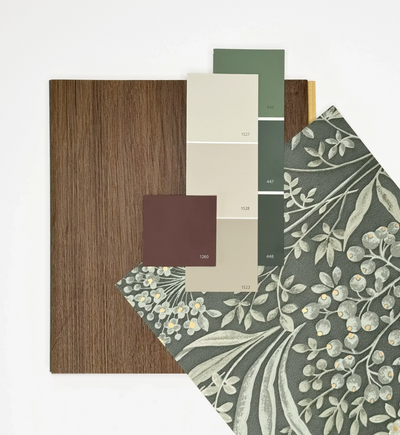
Lately, I've found myself daydreaming about a kitchen upgrade that's out of this year's budget. Still, the ideas swirling around kitchens right now are just too compelling to ignore. Instead of jumping right into planning or pricing, I started where I always do: with a mood board.
A mood board is more than just a collection of pretty images. It serves as a tool to shape your design instincts before choices become complicated. It clarifies what attracts you, what feels essential, and where you want to invest. When your style is defined early, budgeting becomes more targeted and priorities become clearer. The must-haves stand out.
As I pulled inspiration for 2026 kitchens, one clear story emerged rooted in permanence, craft, and comfort.

Trend One: The English Kitchen—A Return to Warmth and Permanence
The English Kitchen is the top kitchen design in 2026, and it feels more like a course correction than just a trend. After years of highly modernized, all-white kitchens, this approach brings warmth, intention, and a sense of history back into the heart of the home.
At its core, the English Kitchen is about kitchens that feel furnished, not merely installed. Inset cabinetry with detailed craftsmanship often echoing traditional furniture construction, with doors and drawer fronts set inside cabinet frames, sitting perfectly flush rather than overlapping the cabinet base box. Islands are no longer treated as monolithic blocks but as standalone pieces like kitchen tables, chests with drawers, or worktables, grounded in warm wood tones and topped with marble or stone. The kitchens appear storied and built to last. Nothing seems overly sleek or disposable. Instead, there is a quiet confidence in the proportions, the joinery, and the materials themselves.
Range hoods become sculptural focal points, offering a counterbalance to cabinetry. Whether crafted in marble, plaster, metal, or stained wood, they elevate the room while reinforcing the idea that utility can also be expressive. Full-height stone backsplashes, often featuring boldly veined marble, continue to make a statement, emphasizing material honesty and natural variation.
Wood takes a prominent role in this story. Walnut, in particular, is emerging as a favorite, pairing beautifully with the warmer, moodier palettes that define this shift. Medium to darker wood tones, often paired with heritage cabinet door profiles, add depth and visual weight without feeling heavy.

Creekside Walnut LVP pictured left, Midnight Walnut LVP pictured right
Details matter here. Countertop edges move beyond flat profiles, featuring curves and softened shapes that make the space feel more tactile and inviting. Cabinet hardware also reflects this trend. Unlacquered brass remains popular, but polished and brushed nickel are increasingly used alongside brass and gold. Many designers intentionally mix metals and hardware styles (a very British sensibility), creating kitchens that feel layered rather than matched.
What makes the English Kitchen resonate so strongly right now is not nostalgic, but balance. These kitchens are functional and hardworking, yet they invite you to slow down. They feel collected, lied-in, and deeply personal, reminding us that the kitchen isn't just a workspace, but the emotional heart of the home.

Trend Two: Banquette Seating and the Kitchen as a Gathering Room
As kitchens move away from a purely utilitarian mindset, they are increasingly designed as spaces to linger. A clear sign of this shift in 2026 is the return of banquette seating built-in dining areas integrated directly into the kitchen.
Banquettes soften the boundary between the kitchen and living space. More than just a table and chairs, they create a cozy and inviting space—an invitation to sit down, stay a while, and connect with the everyday rhythms of the home. Whether tucked into a corner, wrapped around a farmhouse table, or paired with a window overlooking the garden, banquette seating reinforces the idea that kitchens are meant for more than just cooking.
This approach naturally aligns with the English Kitchen's furniture-centric style. Built-in benches mirror the proportions and craftsmanship of traditional furniture, often featuring paneling, turned legs, or tailored upholstery. The effect is subtle yet impactful. The kitchen begins to feel layered, personal, and intentionally composed rather than purely functional.

Heirloom Oak LVP shown above in @stylemeets_home's kitchen remodel featuring a custom built-in banquet seating with scalloped edge detailing.
From a practical standpoint, banquettes are remarkably adaptable. They optimize seating in small footprints, offer opportunities for hidden storage, and create defined zones within open-plan layouts without the need for walls. In larger kitchens, they help soften the scale, breaking up expanses of cabinetry and hard surfaces with a more inviting element.
What makes banquette seating especially appealing in 2026 is how it supports the way we actually use our kitchens. These spaces have become informal gathering spots, where morning coffee turns into conversation, where homework spreads across the table, and where guests naturally gravitate during get-togethers. By integrating built-in seating, the kitchen acknowledges its evolving role as a social hub.
Design-wise, banquettes offer a moment to add texture and softness without disrupting the restrained palette seen throughout this year's kitchen trends. Upholstery, cushions, and tailored details introduce warmth and comfort, reinforcing the kitchen as a space that supports daily life rather than merely accommodating it.
Ultimately, the return of banquette seating reflects a broader desire for kitchens that feel welcoming and lived-in. In 2026, the most successful kitchen designs are those that encourage people to gather, not just to prepare meals but to connect, converse, and spend time together.

Trend Three: Sculleries, Back Kitchens, and the Beauty of Hidden Function
As kitchens become more refined and furniture-like, there's an increasing desire to hide the messier, hardworking areas. This has led to a resurgence of sculleries, back kitchens, and secondary workspaces, which are a key kitchen design trend for 2026.
Historically, these spaces took on the unglamorous tasks like cooking and cleaning, helping to keep the main kitchen peaceful and organized. Today, that same idea feels more relevant than ever. With open kitchens acting as social hubs, many homeowners are looking for ways to preserve visual order without sacrificing functionality.
A modern scullery or back kitchen is often seen as an overflow area used for dishwashing, food prep, small appliances, and extra storage. It helps keep the main kitchen clean and welcoming, especially when entertaining. Butler's pantries and walk-in pantries continue to serve supporting roles, but the scullery is different as a true workspace, designed for use rather than display.
What's especially compelling about this trend is its adaptability. A dedicated back kitchen is ideal when space permits, but the idea works just as well in smaller homes. Even an existing laundry room, utility space, or underused closet can be reimagined to serve multiple purposes such as laundry, pantry storage, a coffee station, or a secondary prep area—creating a single, efficient, organized zone. In fact, this type of hybrid space might be the most practical way to implement the trend. Thoughtful cabinetry, custom storage solutions, and durable finishes can transform a small room into a hardworking back kitchen that supports the main space without competing with it.
In 2026, the rise of sculleries and back kitchens reflects a broader understanding of how we live today. Beautiful kitchens aren't defined solely by what's on display, but by how well they function behind the scenes.
Kitchens Designed for How We Live Now
Taken together, these 2026 kitchen trends point to a deeper shift in how we think about the heart of the home. Instead of chasing novelty, today's kitchens are shaped by a desire for spaces that feel warm, welcoming, and built to last. The English Kitchen highlights the beauty of craftsmanship and permanence. Banquette seating emphasizes the kitchen's role as a gathering spot where everyday life natural unfolds. The rise of sculleries and back kitchens acknowledges the practical realities of how we live, allowing function to complement beauty rather than compete with it.
Whether you're planning a full renovation or just dreaming and collecting ideas, these trends encourage a more thoughtful approach. Start by figuring out how you want your kitchen to feel, not just how you want it to look. The most successful kitchens in 2026 won't be defined by any single style or feature, but how well they support the lives lived within them.
Sometimes the best design choices begin not with a plan but with a pause that allows you to gather inspiration, reflect, and reimagine what could be.
You might like
-

Cascade WalnutComfort Enhanced
$8.99/SF* -

Vista WalnutComfort Enhanced
$8.99/SF* -

Autumn OakComfort Enhanced NE+
$8.99/SF*


You might be interested in