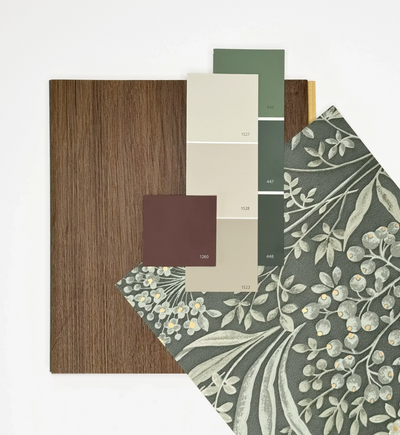



2026 Colors of the Year: What They Mean for Today's Interiors

Updated on: March 27, 2026
Beyond the swatch, here's what 2026 colors of the year reveal about today's interiors.

Each year, the unveiling of Color of the Year selections follows a familiar rhythm of announcements, palettes, and carefully curated swatches that quickly spread throughout the design community. However, for interior designers, the key question isn’t just which colors are chosen. It’s why these colors are resonating now and how they're appearing in the spaces we design every day.
Looking ahead to 2026, a clear pattern emerges across interior spaces: the palette is shifting toward warmer tones. Colors feel richer, more expressive, and more grounded than in recent years. This change is less about trend fatigue and more about how our connection with our living and working spaces continues to evolve.

From Cool Restraint to Warm Presence
In recent years, color palettes have leaned heavily toward cooler neutrals and muted tones. Soft grays, pale beiges, and desaturated hues brought calm and stability during a time when many of us sought predictability. These colors played a key role: they soothed, simplified, and created visual quiet.
But design, just like life, keeps moving.
The colors forecasted for 2026 signify a move away from cool restraint toward warm presence. These palettes feel more embracing and expansive. Instead of neutrality, they offer comfort through depth, richness, and subtle complexity.
What’s notable is that this warmth doesn’t feel nostalgic or heavy. It feels intentional, rooted in natural materials, earth-derived pigments, and tones that express how we want spaces to feel, not just how we want them to look.
Why the Palette Is Warming Now
Color trends don’t emerge in isolation. They are influenced by cultural shifts, emotional needs, and evolving ways we utilize our spaces.
The warmer, more expressive palettes of 2026 reflect several converging influences:
-
A desire for emotional grounding. Interiors are increasingly expected to provide comfort, not just function. Warm colors promote a sense of belonging and ease.
-
A renewed appreciation for materiality. Texture, grain, and surface variation are celebrated rather than minimized, and color follows suit.
-
A shift toward individuality. After years of uniform palettes, designers and clients alike are embracing color as personal expression.
-
Nature as a reference point. Earth, clay, wood, stone, and botanical hues continue to shape how color is perceived and used.
Instead of bold, attention-grabbing color statements, 2026’s palette favors tones that feel lived-in, layered, and enduring.
Color as Atmosphere, Not Accent
One of the biggest shifts designers are navigating is the role of color in a space. Color is no longer relegated to just the walls or accessories. It increasingly defines the atmosphere.
This is where flooring takes center stage in the conversation. Since flooring covers one of the largest continuous surfaces in a room, its color significantly impacts the overall feeling of a space. A warmer palette underfoot subtly alters the way light reflects, enhances material authenticity, and sets the emotional tone long before furnishings or finishes are layered into the space.
For designers, this means viewing flooring not just as a neutral background, but as a foundational element of the entire palette.
How 2026 Color Trends Are Translating to Hard Surface Flooring
The warmth and richness reflected in 2026’s Colors of the Year are already apparent in hard surface flooring choices. Instead of chasing trends, these color families feel both modern and timeless.
Warm Walnut & Toasted Brown Neutrals
The return of brown as a confident design choice is one of the most notable shifts of the year. Medium-toned walnuts and toasted browns feel grounded, familiar, and quietly sophisticated. They offer warmth without heaviness and pair easily with both light neutrals and richer accent colors.


The selection of Special Walnut as a 2026 stain color by Minwax reinforces this direction. Brown is a deliberate foundation that supports expressive interiors.
In hard surface flooring, these tones establish continuity throughout open layouts and enhance authenticity in both residential and commercial spaces.
Recommended Floors:

Pictured left: Midnight Walnut, Pictured right: Natchez Oak
Clay-Influenced & Soft Terracotta Neutrals
Another notable trend is the rise of clay-inspired undertones. These shades sit comfortably between beige and terracotta, offering a warm neutral flooring without appearing overly colorful.


Pictured floor above: Outpost Hickory
In tile, porcelain, and stone visuals, clay-inspired hues add a sun-warmed quality that feels organic and modern. They work especially well in spaces where designers want warmth without using wood tones, such as kitchens, hospitality settings, or transitional interiors.
Mushroom, Putty & Warm Greige
Gray hasn’t vanished; but it has evolved. The neutrals gaining popularity in 2026 are warmer and softer, often called mushroom, putty, or warm greige.

Recommended Floors:

Pictured left: Richland Oak, Pictured right: Sterling Oak
These tones preserve the versatility designers appreciate, but they lose the coolness that once characterized neutral palettes. In flooring, they provide a smooth transition for clients moving away from gray while maintaining a refined, modern feel.
Muted Botanical Greens
Green continues to be influential in interior design, now appearing in soft, mineral-inspired forms in flooring. Olive, moss, and muted botanical greens seem like natural extensions of the landscape rather than just decorative accents.


Used thoughtfully, these hues increase depth and create a connection to nature, making them especially ideal for wellness spaces, hospitality projects, and residential interiors that emphasize calm and restoration.
Warm Charcoal & Soft Carbon Tones
Darker flooring is also making a quiet comeback, but this time with warmth. Charcoals with brown or green undertones feel cozy rather than stark, providing contrast without feeling cold.

These tones thrive in spaces designed for intimacy and focus, where depth and mood are vital elements of the overall experience.

Pictured above: Moonlight Oak
Tip: Brown floors and/or trim with soft charcoal walls looks stunningly elevated, if you do not want to commit to charcoal flooring.
Designing Ahead with Confidence
What the 2026 Colors of the Year ultimately reveal is a growing confidence in how we use color. Designers are no longer choosing palettes solely for neutrality or resale appeal. They are designing for experience, emotion, and longevity.
For flooring, this moment offers a chance to lead instead of follow. Warmth, depth, and material authenticity are not fleeting trends; they embody changing tastes in interior design.
Design relevance in 2026 focuses on thoughtful layering rather than constant replacement. It offers solutions even when existing materials, like cool gray flooring, stay in place. In an upcoming post, I’ll explore how designers warm up interiors that already feature cool gray flooring and how they achieve this without starting over.
As designers, our role is to interpret these signals thoughtfully, selecting colors and materials that feel relevant today and durable for tomorrow. When flooring choices mirror this balance, they define a space.
How are you seeing this shift toward warmer palettes influence your flooring and interior design decisions for 2026?
You might like
-

Veranda OakComfort Enhanced NE+
$8.99/SF* -

Sterling OakComfort NE+
$7.99/SF* -

Midnight WalnutComfort Enhanced
$8.99/SF*


You might be interested in